6 Top Commercial Roofing Manufacturers to Consider
Stephen Griswell • April 24, 2026
TPO, EPDM, PVC, BUR. The world of commercial roofing can feel like an alphabet soup of confusing acronyms. It’s easy to get lost in the technical details, but behind every one of these systems is a company that engineered it. The most important decision you’ll make isn’t just which material to use, but which manufacturer to trust. These companies set the standards for durability, weather resistance, and energy efficiency. This article is designed to cut through the noise and give you a clear understanding of the top commercial roofing manufacturers, what they offer, and how to choose the right one for your building’s specific needs.
Key Takeaways
- Understand the difference between manufacturer and installer: The manufacturer is responsible for the quality of the roofing materials and provides a product warranty, while your contractor is responsible for the installation quality and provides a workmanship warranty. You need both for complete coverage.
- Select a system tailored to your building's needs: There is no single best roofing material; the right choice depends on your specific situation. Consider factors like your local climate, building function, and energy efficiency goals when choosing between systems like TPO, EPDM, or metal.
- Prioritize long-term value over the initial price tag : A cheaper roof can lead to higher costs from frequent repairs and a shorter lifespan. The best investment comes from a durable system backed by a strong warranty, which provides better performance and peace of mind for years to come.
What is a Commercial Roofing Manufacturer?
Think of a commercial roofing manufacturer as the company that designs and produces the actual materials that make up your roof. They are the source of the high-performance systems built to protect large-scale buildings like warehouses, retail centers, and office complexes from the elements. These companies specialize in creating a wide range of products, from single-ply membranes like TPO and EPDM to more traditional built-up roofing systems. They invest heavily in research and development to engineer materials that can withstand intense UV exposure, heavy rainfall, high winds, and foot traffic.
Leading manufacturers like Johns Manville and Duro-Last are known for producing entire lines of commercial roofing products, including insulation, adhesives, and coatings. Their goal is to provide a complete, integrated system where every component works together seamlessly to keep your building safe and dry. When you choose a material for your project, you're not just buying a product; you're tapping into decades of engineering and innovation from one of these industry leaders. The quality of their materials is the foundation of a successful, long-term roofing solution for any business or commercial property, directly impacting everything from energy efficiency to the structural integrity of your building.
Their Role in Your Project
A manufacturer’s role goes beyond simply making the roofing materials. They are a critical partner in your project's success. Top manufacturers provide detailed specifications and best practices for how their products should be installed to ensure maximum performance and longevity. They set the standards for quality, and it's the installer's job to meet them. This collaboration is essential because even the best materials will fail if they aren't installed correctly. By working with top-tier manufacturers, we ensure that the roofing system we install on your property is dependable, durable, and built to last for decades.
Manufacturer vs. Installer: What's the Difference?
It’s really important to understand the difference between the manufacturer and the installer, especially when it comes to warranties. The manufacturer provides a warranty that covers the integrity of their materials. This means if a product has a defect or fails prematurely due to a manufacturing error, they are responsible. However, this warranty is often contingent on the materials being installed exactly to their specifications.
The installer, on the other hand, provides a workmanship warranty. This covers the labor and the quality of the installation itself. If a leak occurs because of an improperly sealed seam or flashing, that falls under the installer's responsibility. As a certified installer, our team at Total Roof Solutions provides you with this crucial workmanship warranty, giving you complete protection and peace of mind.
Who Are the Top Commercial Roofing Manufacturers?
Our Partnerships with Industry Leaders
The success of any commercial roofing project depends just as much on the quality of the materials as it does on the skill of the installation team. That’s why we’ve built strong relationships with the industry’s most respected manufacturers. By partnering with these leaders, we ensure you get access to the most durable, innovative, and reliable roofing systems on the market. These partnerships also mean our team receives specialized training directly from the source, allowing us to install each system to exact specifications. This commitment to quality gives you a roof that’s built to last and backed by some of the strongest warranties available, providing you with true peace of mind.
Johns Manville
With a history stretching back over 160 years, Johns Manville (JM) has a proven track record of excellence. They offer one of the most comprehensive product lines in the industry, covering everything from single-ply systems like TPO and EPDM to traditional built-up roofing. JM also manufactures all the necessary components, including insulation, adhesives, and fasteners. This single-source approach is a major advantage, as it guarantees every part of your roofing system is designed to work together seamlessly. For property owners, this means better performance, simplified maintenance, and a more straightforward warranty process for years to come.
Duro-Last
Duro-Last is famous for its custom-fabricated single-ply PVC roofing systems, which they confidently call the "World's Best Roof." What makes them unique is their prefabrication process. Up to 85% of the membrane seams are welded in a controlled factory environment before the material ever arrives at your property. This dramatically reduces on-site labor and, more importantly, minimizes the potential for installation errors and leaks. The result is a highly durable, long-lasting roof that is installed with less disruption to your daily operations. Their precision-fit approach makes Duro-Last an excellent choice for buildings with complex layouts or numerous rooftop penetrations.
GAF
As part of the largest roofing and waterproofing company in the world, GAF brings unmatched resources and a global reputation to the table. Their sheer scale allows for extensive research and development, leading to some of the most advanced and reliable commercial roofing products available. GAF offers a wide range of solutions, from their popular EverGuard TPO membranes to liquid-applied coatings that can extend the life of an existing roof. Choosing a GAF commercial system means you’re investing in a product backed by decades of proven performance and the financial stability of an industry giant, ensuring your warranty will be honored for its entire term.
Firestone Building Products
Now part of the Holcim family, Firestone Building Products has built a legacy on performance and innovation. They are a leader in high-performance roofing systems, particularly single-ply membranes like EPDM, TPO, and PVC. For decades, building owners have trusted Firestone for its commitment to creating durable, resilient materials that can withstand extreme weather and the test of time. Their systems are engineered for long-term value, offering excellent protection against leaks, UV degradation, and punctures. This focus on quality makes Firestone products a smart investment for anyone looking to protect their commercial property effectively.
Owens Corning
Owens Corning is a household name known for high-quality materials, and their commercial roofing systems are no exception. They place a strong emphasis on energy efficiency and sustainability, offering products that can help reduce a building's heating and cooling costs. At Total Roof Solutions, we are proud to be an Owens Corning Platinum Preferred contractor. This is the highest level of certification offered by the manufacturer, and it’s a distinction earned by only the top 1% of roofing contractors. It means our team has been extensively trained and vetted by Owens Corning, allowing us to offer their very best products and most comprehensive warranties.
Carlisle SynTec Systems
Carlisle SynTec Systems is a specialist in the world of single-ply roofing. They are widely recognized for their high-performance TPO, EPDM, and PVC membranes that are engineered for superior durability and weather resistance. Carlisle is constantly innovating, offering advanced solutions like their FleeceBACK membranes, which add an extra layer of puncture resistance and toughness. This makes them ideal for roofs with heavy foot traffic or complex equipment installations. When a project demands a robust, long-lasting single-ply system, many architects and contractors turn to Carlisle for their proven reliability and extensive portfolio of high-performance roofing solutions.
What Roofing Systems Do Top Manufacturers Offer?
When you start looking at options for your building, you'll quickly see that there isn't a one-size-fits-all solution for commercial roofing. The top manufacturers have developed a diverse range of materials, each designed to solve specific challenges related to climate, building structure, and budget. Think of it like choosing tires for a car; you wouldn't put racing slicks on a truck that drives through mud. Similarly, the right roofing system for a sprawling warehouse in the Georgia sun will be different from what’s needed for a small retail space with heavy foot traffic on its roof.
Leading brands offer everything from modern single-ply membranes to time-tested multi-layer systems. Your choice will impact everything from your building's energy bills to its long-term maintenance costs. Understanding the core benefits of each system is the first step in making a smart investment. Let's walk through some of the most common and effective roofing systems you'll encounter.
TPO (Thermoplastic Olefin)
TPO is one of the most popular choices for commercial roofs today, and for good reason. This single-ply membrane is a bit of a superstar, combining the best features of other materials like EPDM and PVC. Top manufacturers like Johns Manville point out that TPO is known for its energy efficiency and ease of installation. Its reflective surface, typically bright white, does a fantastic job of bouncing sunlight away from your building. This helps keep the interior cooler and can make a real difference in your summer energy bills. It's a durable and cost-effective option for many low-slope commercial buildings.
EPDM (Ethylene Propylene Diene Monomer)
If you're looking for a roofing material that’s tough and reliable, EPDM is a fantastic contender. Essentially a high-performance synthetic rubber, EPDM is a go-to for low-slope buildings across the country. Its main claim to fame is its exceptional durability. This material is incredibly resistant to UV radiation, which means it won't break down or become brittle under the intense sun. Its flexibility also allows it to handle temperature fluctuations and building shifts without cracking. Because of its proven track record, EPDM remains a widely used and trusted choice for business owners who need a long-lasting, low-maintenance roof.
Metal Roofing
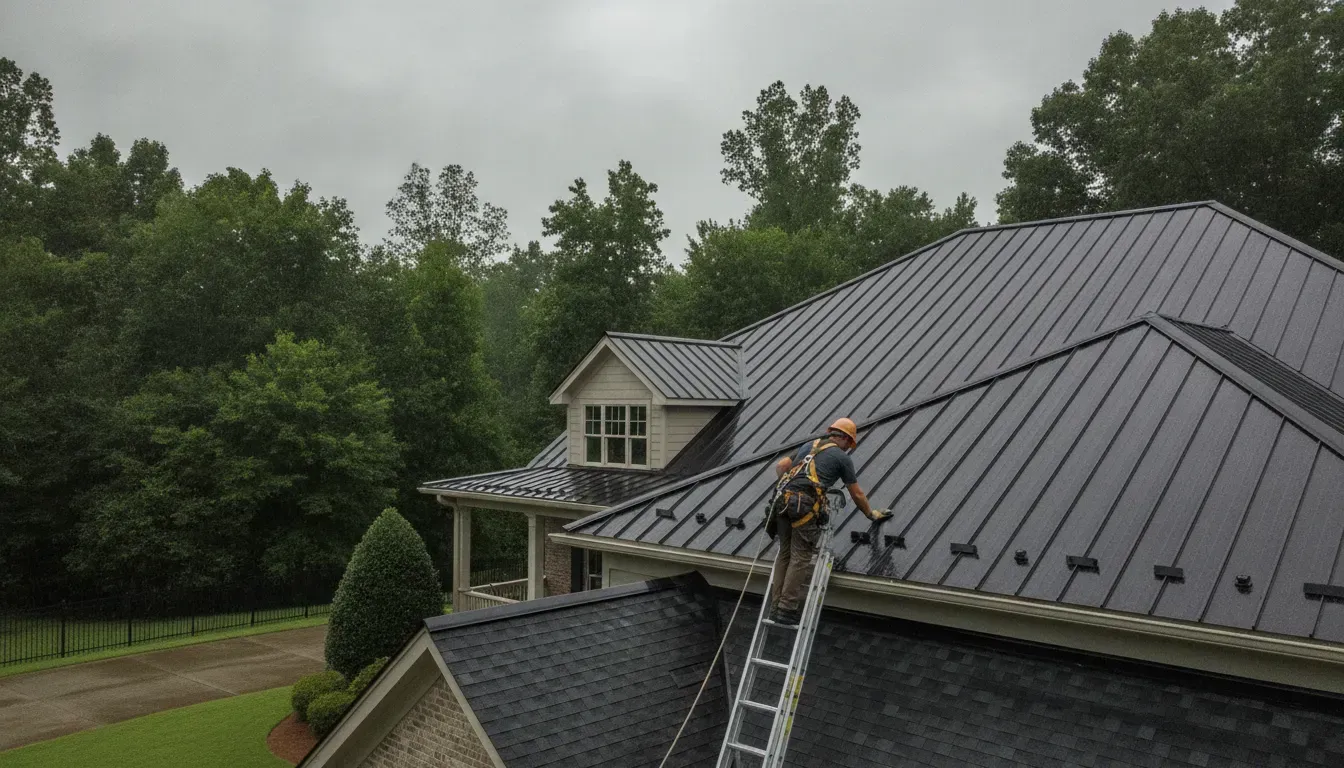
Metal roofing is a true powerhouse when it comes to longevity and strength. These systems are built to last for decades and can handle just about anything Mother Nature throws at them, from high winds to heavy rain. One of the biggest advantages of metal is its versatility. As leading suppliers like GSM Roofing note, metal roofing comes in a wide variety of styles and colors, allowing you to match your building's aesthetic perfectly. While it can be a larger upfront investment, its incredible durability and minimal maintenance needs often make it a very cost-effective choice over the long run for many commercial properties.
Built-Up Roofing (BUR)
Built-Up Roofing, often called BUR, is the original flat-roofing system that has stood the test of time. This isn't a single sheet of material; instead, it's constructed on-site with multiple layers of asphalt and reinforcing fabrics. This layered approach creates a thick, seamless, and highly durable surface. The main benefit of a BUR system is its outstanding waterproofing capability. The multiple layers provide redundancy, so even if one layer is damaged, the roof remains protected. It's a trusted and proven choice, especially for buildings that need a tough, resilient roof that can handle foot traffic or equipment.
PVC and Modified Bitumen
PVC and Modified Bitumen are two more excellent options for low-slope roofs, each with unique strengths. PVC roofing is a flexible membrane known for its strong resistance to chemicals, grease, and punctures, making it ideal for restaurants or manufacturing facilities. It's also highly energy-efficient. On the other hand, Modified Bitumen is an asphalt-based system that’s been enhanced with polymers for added strength and flexibility. It offers great durability and is often installed in multiple layers for superior protection. Manufacturers like Duro-Last have perfected these materials to provide reliable, long-term performance for a variety of commercial applications.
What Makes a Top Manufacturer Stand Out?
When you’re looking at different roofing materials, it’s easy to think they’re all pretty similar. But the best manufacturers go far beyond just producing shingles or membranes. They are innovators who invest heavily in research and development to create roofing solutions that are stronger, smarter, and more sustainable. These industry leaders distinguish themselves by offering comprehensive systems, embracing new technology, and constantly improving their materials to meet the demands of modern buildings. Choosing a product from one of these top-tier companies means you’re not just getting a roof; you’re getting a long-term asset for your property.
Custom Roofing Systems
The best manufacturers don’t offer one-size-fits-all solutions. Instead, they provide complete, custom-fabricated roofing systems designed for your specific building. For example, a manufacturer like Duro-Last is known for its custom-made PVC membranes that are precision-built in a factory setting. This process significantly reduces the amount of on-site welding required, which minimizes the potential for installation errors and leaks down the road. By delivering a system where every component, from the membrane to the accessories, is designed to work together seamlessly, these manufacturers provide a more durable and reliable final product. This tailored approach ensures a perfect fit and superior protection for your commercial property.
Smart Technology in Roofing
Technology is changing every industry, and roofing is no exception. Leading manufacturers are integrating smart technology to create roofing systems that do more than just keep the water out. These smart roofing systems can include sensors that monitor for moisture, temperature fluctuations, or even structural stress. This allows property managers to detect potential issues like small leaks before they become major problems, making maintenance proactive instead of reactive. By providing real-time data on a roof’s condition, these innovative systems help extend the life of your roof and protect the building underneath, offering peace of mind and long-term savings.
Energy-Efficient and Sustainable Materials
With energy costs on the rise, a roof’s impact on a building’s utility bills is a major consideration. Top manufacturers are at the forefront of developing energy-efficient roofing materials that help lower heating and cooling expenses. Cool roofs, for instance, use reflective materials to bounce sunlight away from the building, keeping it cooler in the summer. Many manufacturers are also focused on sustainability, offering products made from recycled content or materials that can be recycled at the end of their lifespan. Choosing a manufacturer committed to green solutions not only reduces your building’s environmental footprint but can also lead to significant long-term operational savings.
Innovations in Material Science
A manufacturer’s commitment to innovation is often most visible in its materials. The best companies are constantly researching and refining their products to make them more durable, weather-resistant, and long-lasting. A great example is the evolution of metal roofing, which has seen a surge in demand thanks to its incredible durability and recyclability. These ongoing innovations in material science lead to products that can better withstand hail, high winds, and UV exposure. When a manufacturer invests in improving its core materials, it shows a dedication to quality and performance that benefits property owners for decades to come.
Comparing Manufacturer Warranties and Support
A new roof is a major investment, and a strong warranty is your safety net. It’s a promise from the manufacturer that their products will perform as expected. But not all warranties are created equal. When you’re comparing manufacturers, looking closely at their warranties and support systems is just as important as comparing the materials themselves. A great warranty provides peace of mind and protects you from the cost of premature roof failure due to defective materials.
Think of the warranty as part of the product package. A manufacturer that stands firmly behind its products with a comprehensive, long-term warranty is showing confidence in its quality. This is where you can separate the top-tier players from the rest. We’ll walk through what you need to look for to ensure your investment is protected for years to come.
Understanding Warranty Scope and Length
When you see a warranty, the first thing you probably notice is the length. Manufacturer warranties for commercial roofing can range from 5 to 30 years, but the duration doesn't tell the whole story. You need to understand the scope, which means knowing exactly what is covered. Most manufacturer warranties cover defects in the roofing materials themselves. They don’t typically cover issues caused by improper installation, severe weather, or lack of maintenance. It’s important to read the fine print to understand any limitations or exclusions, so you know precisely what protection you’re getting.
Material vs. Workmanship Warranties
It’s essential to know the difference between a manufacturer’s warranty and a contractor’s warranty. As the name suggests, a manufacturer warranty covers the integrity of the physical materials. If a shingle or membrane fails because of a production flaw, this warranty kicks in. On the other hand, a contractor’s workmanship warranty covers the installation. This is our promise to you that your roof was installed correctly and to the highest standards. As an Owens Corning Platinum Preferred contractor, we provide strong workmanship warranties that work alongside the manufacturer’s guarantee, giving you complete coverage.
Access to Technical Support
What happens if an issue does come up? A great warranty is backed by responsive and helpful technical support from the manufacturer. Top manufacturers provide a direct line for certified contractors to get answers, troubleshoot problems, and process claims efficiently. This support system is a huge benefit, ensuring that any potential issues are resolved quickly and correctly. When you partner with a certified installer, you’re not just getting their expertise; you’re also getting their established relationship with the manufacturer and access to this vital support network.
The Claim and Transfer Process
Even the best warranty is only useful if the claim process is straightforward. Before settling on a manufacturer, it’s wise to understand what their claims process looks like. How easy is it to file a claim, and what is the typical response time? Another key feature to look for is whether the warranty is transferable. If you plan to sell your property, a transferable warranty can be a significant value-add for the next owner. Taking the time to compare these details can save you a lot of headaches down the road and ensure your roof remains a protected asset.
Common Hurdles in Choosing a Manufacturer
Choosing a commercial roofing manufacturer is a major decision that impacts your property for decades. It’s about more than just picking a brand; it’s about selecting a partner whose materials, warranties, and network of installers will protect your investment. However, the path to finding the right one is often filled with challenges. Business owners frequently struggle with verifying material quality, finding qualified installers, and understanding the difference between a low upfront cost and true long-term value.
Making the wrong choice can lead to premature roof failure, unexpected expenses, and endless headaches. To make a confident decision, you need to understand these common hurdles and know how to clear them. It starts with knowing what to look for in both a manufacturer and the local contractors they partner with. By focusing on quality, certification, local expertise, and overall value, you can select a manufacturer that provides a durable and reliable roofing system for your building.
Ensuring Quality and Material Standards
Even the most advanced roofing materials can fail if they aren't installed correctly. A top-tier manufacturer understands this and invests heavily in quality control, not just for their products but for the installation process as well. The challenge is that you can't judge a material's long-term performance just by looking at it. Your best protection is choosing a manufacturer with a proven track record and strict standards. They ensure their products are made from durable components and are designed to withstand specific environmental stressors. This commitment to quality is the first line of defense against leaks, damage, and premature aging.
Finding Certified Installers
A manufacturer’s reputation is only as strong as the contractors who install its products. That’s why the best brands have rigorous certification programs. Finding a truly certified installer means you’re getting a team that has been specifically trained to work with that manufacturer's materials and systems. We are proud to be an Owens Corning Platinum Preferred contractor and Mule Hide Certified, which means our team has proven its expertise and commitment to quality. When you vet contractors, always ask for their credentials and check references to ensure they have the factory training needed to install your roof correctly and uphold the manufacturer's warranty.
Getting Local and Regional Support
Commercial roofing is not a one-size-fits-all service. A roof in Georgia faces intense sun, high humidity, and heavy downpours, which are completely different challenges than those in a drier or colder climate. One of the biggest mistakes is choosing a manufacturer without a strong local presence. You need a partner who understands regional building codes and weather patterns. Top manufacturers achieve this through their network of local, certified contractors. These professionals can recommend the right materials and systems for your specific environment, ensuring your commercial roofing is built to last in the local climate.
Balancing Budget and Long-Term Value
It’s easy to focus on the initial price tag, but selecting a manufacturer should be about more than comparing upfront costs. The cheapest option today can quickly become the most expensive one through frequent repairs, poor energy efficiency, and a shorter lifespan. The real goal is to find the best long-term value. This means considering the full life cycle cost of the roof, including the durability of the materials, the strength of the warranty, and potential energy savings. A quality roofing system is an investment in your property’s future, and a reputable manufacturer provides a solution that delivers returns for years to come.
Key Factors for Evaluating Manufacturers
Choosing a manufacturer is about more than just picking a brand name. It’s about finding a partner whose products, support, and reputation align with your project's needs. When you're comparing options, a few key areas can help you cut through the noise and make a confident decision. Focusing on these factors will ensure you select a manufacturer that provides not just quality materials, but also long-term value and peace of mind for your commercial property.
Product Selection and Customization
A top-tier manufacturer should offer a diverse portfolio of roofing materials. You want a partner who provides a full range of commercial roofing systems, from single-ply options like TPO and EPDM to bituminous systems and coatings. This variety ensures you can find a solution perfectly tailored to your building’s specific climate, structure, and budget. Some manufacturers, like Duro-Last, even specialize in custom-fabricated systems designed to fit your roof's exact dimensions. This level of customization minimizes waste and on-site labor, leading to a more precise and durable installation. A broad and flexible product line is a clear sign of a manufacturer committed to meeting unique project demands.
Contractor Certification Programs
A manufacturer's certification program is one of the best indicators of quality. These programs train and vet roofing contractors to ensure they install materials according to strict specifications. When a contractor is a 'preferred' or 'certified' installer, it means they have a proven track record of expertise and reliability with that manufacturer's products. We take this seriously at Total Roof Solutions, which is why we’ve earned designations like Owens Corning Platinum Preferred and Mule Hide Certified. Partnering with a certified contractor ensures your roofing system is installed correctly, which is often a requirement for validating the manufacturer's warranty. It’s your assurance that the job will be done right.
Warranty Fine Print
Warranties can be tricky, so it’s essential to read the fine print. Most manufacturers offer warranties ranging from 5 to 30 years, but what they cover varies significantly. It's crucial to understand the difference between a manufacturer and contractor warranty. The manufacturer’s warranty typically covers defects in the roofing materials themselves, not installation errors. Your contractor’s workmanship warranty is what protects you from installation issues. Before committing, ask for a sample warranty and review the terms, limitations, and claim process. A transparent manufacturer will make this information easy to find and understand, giving you a clear picture of your long-term protection.
Reputation and Project History
A manufacturer's reputation is built on years of performance. Look for companies with a long history of successful projects and positive feedback from property owners and contractors. In an industry facing skilled labor shortages, a manufacturer's ability to consistently produce high-quality materials is more important than ever. Do your research by looking at case studies, project portfolios, and online reviews. A strong reputation often reflects a company's commitment to quality control, customer support, and innovation. Remember, it can take many positive experiences to build trust, so a manufacturer with a solid, long-standing reputation is usually a safe bet for your investment.
How to Choose the Right Manufacturer for Your Project
Picking the right manufacturer for your roofing project is a big decision, and it should be. The materials you choose will protect your property for decades, so it’s about more than just picking a familiar name. The best choice depends entirely on your building’s specific needs, your budget, and your long-term goals. A manufacturer that’s perfect for a large, flat-roofed warehouse might not be the right fit for a sloped residential roof with unique architectural details.
This decision directly impacts your roof's lifespan, performance, and maintenance costs. Getting it right means years of security and peace of mind, while the wrong choice can lead to premature repairs and headaches. Thinking through your project methodically helps you find the perfect match. By assessing your roof's current state, partnering with a trusted expert, matching materials to your building, and looking at the long-term value, you can make a confident and informed decision. Let’s walk through the four key steps to selecting the right manufacturer for your project.
Start with a Project Assessment
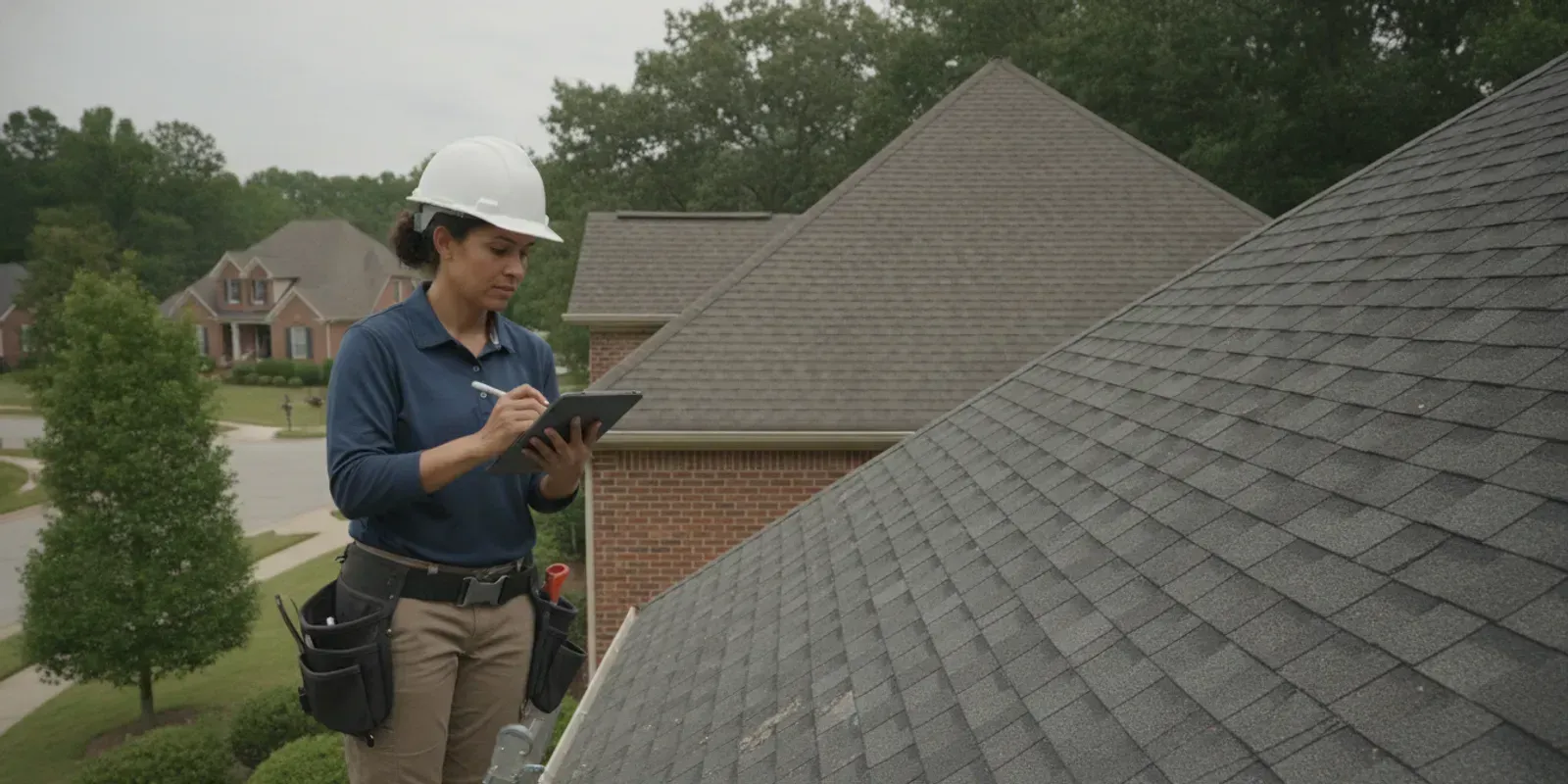
Before you can choose the right materials, you need a clear picture of what you’re working with. A thorough project assessment is the essential first step. This means looking at your current roof’s age, its condition, and any recurring issues like leaks or poor drainage. A professional roof inspection can identify underlying structural problems and help you understand your building’s specific vulnerabilities. This kind of roof asset management strategy helps you plan for maintenance needs and can extend the life of your roof, saving you from costly emergency repairs down the road. Once you have this baseline, you can start looking for manufacturers that offer solutions tailored to your exact situation.
Partner with a Certified Installer
You don’t have to make this decision alone. The best way to sort through the world of roofing manufacturers is by working with a certified installer. Top manufacturers have strict certification programs, and contractors must meet high standards for training, quality, and financial stability to earn them. Choosing a company that is licensed and insured, like Total Roof Solutions, gives you peace of mind that the work meets professional standards. A certified installer not only has deep product knowledge but also has a direct relationship with the manufacturer. This partnership is invaluable for everything from material selection to warranty support, ensuring your new roof is installed correctly and built to last.
Match Materials to Your Building's Needs
Selecting the right roofing manufacturer is about more than just comparing prices. Every building is unique, and the right roofing system must match its specific demands. Consider the Georgia climate, your building’s use, and your energy efficiency goals. A flat roof on a commercial building might need a durable TPO or EPDM system that reflects heat, while a sloped residential roof could benefit from high-performance architectural shingles designed to withstand strong storms. Think about factors like foot traffic, exposure to chemicals, and the weight the structure can support. The goal is to find a manufacturer whose products are engineered to perform in your exact environment for years to come.
Analyze Cost vs. Long-Term Value
While the initial price tag is important, it’s only one piece of the puzzle. A cheaper roofing system might save you money upfront, but it could cost you more in the long run through frequent repairs and an earlier replacement. When evaluating manufacturers, it’s wise to compare the cost per square foot, the warranty coverage, and the expected lifespan of the materials. A high-quality system from a reputable manufacturer may have a higher initial cost, but its durability and strong warranty can offer a much better return on investment. Think of your roof as a long-term asset and choose the option that provides the best value and protection over its entire life.
Related Articles
- 5 Types of Roofing System: A Complete Comparison
- Eco-Friendly Atlanta Green Roofing Options for Businesses
- A Guide to the Commercial Roof Repair Process
- Discover Tools for Calculating Atlanta Roof Replacement Costs
- Effective Strategies for Comparing Gutter Installation Estimates
Frequently Asked Questions
Why can't I just choose the manufacturer with the longest warranty? A long warranty is definitely a good sign, but it doesn't tell the whole story. The most important thing to look at is the scope of the warranty, which details exactly what is covered. Some warranties only cover material defects and have many exclusions, while others are more comprehensive. It's also crucial to remember that most manufacturer warranties are only valid if the roof is installed by a certified contractor according to their exact specifications. A 30-year warranty won't help you if an installation error causes a leak.
Is there one "best" commercial roofing manufacturer? Honestly, no single manufacturer is the best for every single project. The right choice really depends on your building's specific needs. For example, a restaurant might benefit from a PVC roof from a manufacturer like Duro-Last because it resists grease and chemicals. A large warehouse in the Georgia sun might be better suited for a highly reflective TPO system from a company like Johns Manville. The best approach is to work with an experienced contractor who can assess your property and recommend a manufacturer whose products are the perfect match for your climate, budget, and building type.
What's the most important difference between the manufacturer's warranty and my contractor's warranty? Think of it this way: the manufacturer covers the "what" and the contractor covers the "how." The manufacturer's warranty protects you if the physical roofing materials fail due to a production flaw. The contractor's workmanship warranty protects you from issues that arise from the installation itself, like an improperly sealed seam or faulty flashing. You absolutely need both for complete protection, as one covers the product and the other covers the labor.
How much does a manufacturer's certification for an installer really matter? It matters a great deal. When a contractor is certified by a manufacturer, like our Platinum Preferred status with Owens Corning, it means our team has undergone extensive, specialized training directly from the source. We know how to install their systems exactly as designed to ensure peak performance and durability. This certification is often required to receive the manufacturer's best warranty coverage, so hiring a certified team protects your investment and ensures the job is done right the first time.
My building is in Georgia. Are there specific materials I should look for? Yes, our local climate presents unique challenges like intense UV exposure, high humidity, and heavy rainfall. For many commercial buildings here, energy-efficient materials like white TPO or EPDM are excellent choices because their reflective surfaces help keep buildings cooler and reduce energy costs. Metal roofing is also a great option for its durability against strong storms. The key is to choose a system from a manufacturer that has a proven track record of performance in hot, humid climates.